
Definition
Dry eye syndrome occurs when your eyes do not produce enough quality tears to stay moist. This can cause discomfort, blurry vision and irritation. If not treated, it can damage the surface of the eye.
Alternative names
Dry eye disease; Keratitis sicca; Tear dysfunction; Xerophthalmia; Keratoconjunctivitis sicca
Causes and risk factors
Dry eye is very common. Causes include:
- Aging: Tear production often decreases with age.
- Eyelid and gland problems: Conditions like blepharitis or blocked oil glands can affect tear quality.
- Health conditions: Autoimmune diseases such as Sjögren’s syndrome, rheumatoid arthritis and thyroid disease can reduce tear production.
- Environment: Dry air, wind, smoke and long periods of screen use can dry out the eyes.
- Medications: Certain medications — such as those used to treat allergies, depression, high blood pressure and water retention — can exacerbate dry eye symptoms.
- Hormonal changes: Menopause and low hormone levels can affect tear production.
- Eye surgery: Procedures like LASIK or SMILE can affect tear production for a short time or longer.
Signs and symptoms
- Dry, burning, itchy or stinging eyes
- Feeling like something is in the eye
- Red or irritated eyes
- Blurry or changing vision
- Sensitivity to bright light
Exams and tests
An eye doctor can diagnose dry eye with a complete eye exam, which may include:
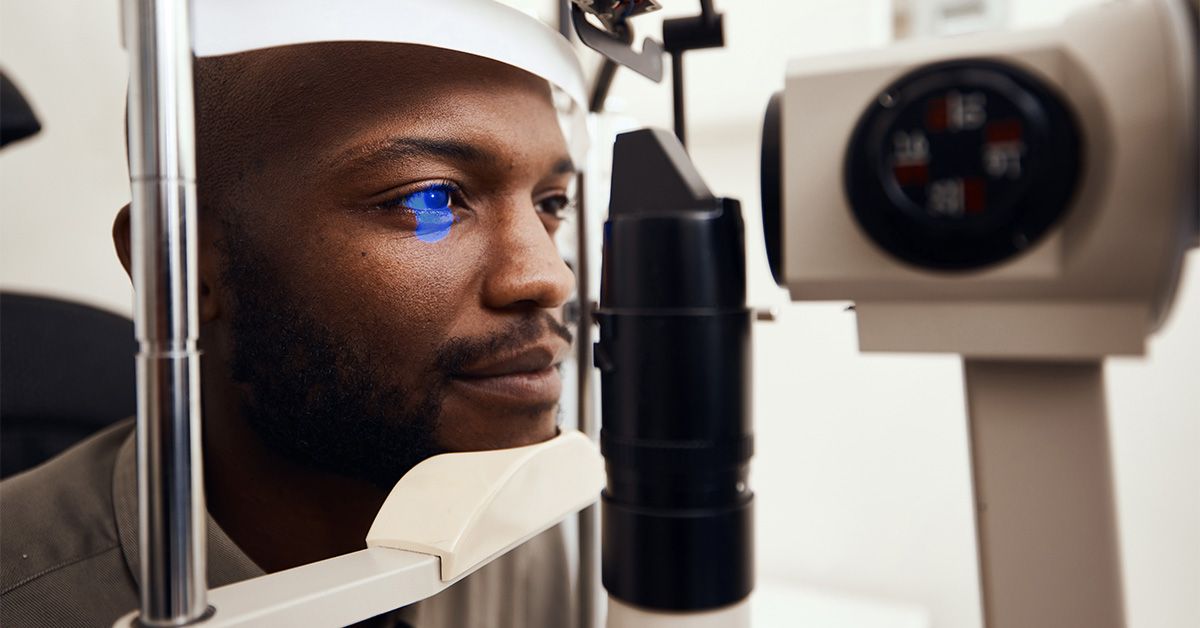
- Slit-lamp exam: Looks at the tears and the eye surface
- Schirmer’s test: Measures how much tears your eyes make
- Eye surface staining: Uses a special dye to check for dryness
- Tear testing: Measures the quality of tears
Treatment
Treatment depends on how severe the dry eye is and what is causing it.
Environmental changes
- Avoid wind, smoke, air conditioning and heaters when possible.
- Use a humidifier indoors.
- Limit allergy or cold medicines that can dry the eyes.
- Take breaks from screens and blink often.
Lubrication
- Start with over-the-counter artificial tears 2–4 times a day.
- Avoid drops that “remove redness.”
- If symptoms continue, use drops more often or switch to preservative-free drops.
- Use lubricating eye ointment at night for extra moisture.
Additional treatments
- Eyelid care: Clean eyelashes and use warm compresses twice a day to reduce debris and help oil flow more freely.
- Omega-3 supplements: Fish oil, krill oil or flaxseed oil taken twice daily may help.
- Punctal plugs: A simple in-office procedure to help tears stay in the eyes longer.
- Meibomian gland treatments: In-office treatments can help blocked eyelid glands work better.
- Special contact lenses: In severe cases, scleral lenses can help keep the eyes moist.
Prescription medications
Doctors may prescribe special eye drops or medicines, such as cyclosporine, lifitegrast, steroid drops, nasal sprays, or certain oral antibiotics.
Surgery
Surgery may be needed if eyelids are not positioned correctly and are causing dry eye.
Outlook
Most people with dry eye can manage their symptoms with proper treatment. Severe cases may need long-term care to protect vision and prevent eye damage.
When to call your health care provider
Contact an eye specialist if symptoms worsen or do not improve with standard treatment, or also if there is associated pain, redness or vision loss.
Prevention
Avoid dry environments and triggers that irritate your eyes to help prevent symptoms.
References and citations
Brissette AR, Bohm KJ, Starr CE. Dry eye overview: classification and treatment overview. In: Mannis MJ, Holland EJ, eds. Cornea. 5th ed. Philadelphia, PA: Elsevier; 2022:chap 31.
Dhawlikar NS, Holdstein MH, Rao NK. Dry eye disease. In: Yanoff M, Duker JS, eds. Ophthalmology. 6th ed. Philadelphia, PA: Elsevier; 2023:chap 4.23
Jeang L. Dry eye syndrome. In: Kellerman RD, Rakel DP, Heidelbaugh JJ, Lee EM, eds. Conn’s Current Therapy 2023. Philadelphia, PA: Elsevier: 2023;509-511.
Last reviewed September 26, 2025, by Lauren Jeang, MD, Clinical Assistant Professor, Director of Medical Student Education, UF Department of Ophthalmology.
link