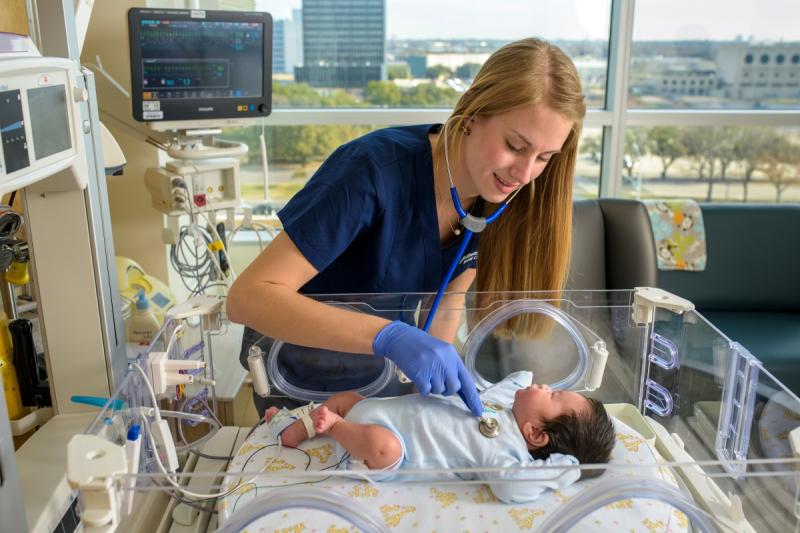

Delivering a baby at 36 weeks, which is known as late preterm, can happen spontaneously or may require induction.
A doctor might induce a pregnancy for a variety of reasons, including preterm labor, severe preeclampsia, placental problems, fetal growth restriction, or gestational diabetes.
Previously, ACOG considered 37 weeks as a full-term pregnancy. However, because many babies born at 37 weeks experienced complications, they changed their guidelines.
Now, 37 weeks is early term, and the recommended time for a baby to stay inside the womb is at least 39 weeks unless medically indicated.
Preterm birth remains a major global health challenge. In
The risks associated with preterm birth are significant, particularly in the earliest weeks of gestation, and it continues to be the leading cause of death in children under five, accounting for around 900,000 deaths in 2019.
Despite these sobering figures, there is hope. Studies show that three-quarters of preterm-related deaths could be prevented through the use of existing, affordable interventions. These include improved prenatal care, timely administration of corticosteroids, access to neonatal intensive care, and support for chest or breastfeeding and thermal care.
Globally, preterm birth rates vary widely, ranging from 4% to 16% depending on the country. This reflects differences in healthcare access, maternal health, and socioeconomic conditions. However, survival rates continue to improve, particularly in regions with strong health systems and early intervention strategies.
Understanding which babies are most at risk for sickness and death can help healthcare providers prepare for possible complications.
Although babies born at 36 weeks are generally healthy and are at lower risk for health complications than babies who are born earlier than this, they may still experience some health issues.
Sometimes, it is difficult to identify whether the complication is due to early birth itself or a medical reason that triggered the early delivery.
- respiratory distress syndrome (RDS)
- sepsis
- patent ductus arteriosus (PDA)
- jaundice requiring phototherapy
- low birth weight
- low blood sugar levels
- difficulty regulating temperature
- feeding difficulties
- death
- neurologic problems, including intraventricular hemorrhage
As a result of these complications, babies may need to be admitted to a neonatal intensive care unit (NICU) or readmitted to the hospital after going home.
Babies born at 36 weeks are more at risk for developmental problems, both physically and mentally, when compared to their full-term counterparts.
In the short term, preterm babies have a higher risk of having breathing problems, infections, jaundice, and other serious conditions.
In terms of long-term complications, babies born at 36 weeks gestation are at a higher risk than babies born at term for the following:
- cerebral palsy
- poor school performance
- need for early intervention services
- special education needs
- behavioral and psychiatric problems
Being aware of these complications can help parents, teachers, and healthcare providers target surveillance and early intervention.
Is it safe to deliver at 36 weeks pregnant?
Delivering at 36 weeks is considered a late preterm birth. In most cases, it is relatively safe, especially when appropriate medical care is available.
By this stage, a baby’s lungs, brain, and other organs are mostly developed, and many babies born at 36 weeks do well with little to no intervention.
However, because they are still slightly early, there can be mild complications. These may include breathing difficulties, feeding challenges, low blood sugar, jaundice, or trouble maintaining body temperature.
Some babies may require a short stay in the neonatal unit for monitoring, but serious complications are uncommon. In some cases, delivery at 36 weeks is medically necessary due to conditions such as preeclampsia, placental problems, or concerns about the baby’s growth or well-being.
While 36 weeks is not full term, most babies born at this stage go on to thrive with proper care and support in the early days.
Is 36 weeks full term?
No, 36 weeks is not considered full term. It falls into the category of late preterm, and full term is 39 to 40 weeks.
- Early term: 37 weeks 0 days through 38 weeks 6 days.
- Full term: 39 weeks 0 days through 40 weeks 6 days.
- Late term: 41 weeks 0 days through 41 weeks 6 days.
- Post term: 42 weeks 0 days and beyond.
So, while a baby born at 36 weeks is often healthy and may need little extra care, it is still technically preterm, and the baby may face slightly higher risks than one born at full term.
There are a variety of medical reasons why a baby is born at 36 weeks. Late preterm birth is most often due to a woman going into labor early. However, a medical condition that the mother or baby has developed may also cause preterm delivery.
Doctors recommend that babies remain inside the womb until at least 39 weeks, if possible, for the best outcomes.
Babies born at 36 weeks may face challenges, such as health complications and developmental delays into childhood.
Being aware of these difficulties allows the parents and doctor to put a plan in place.
link