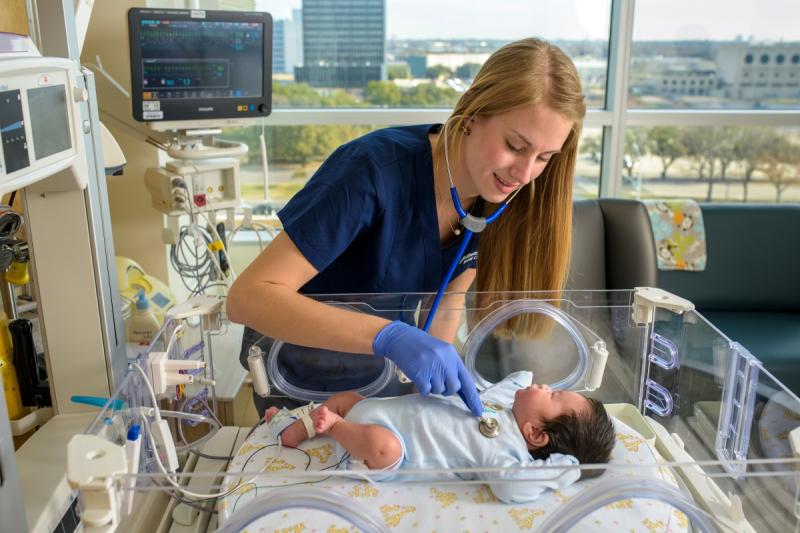
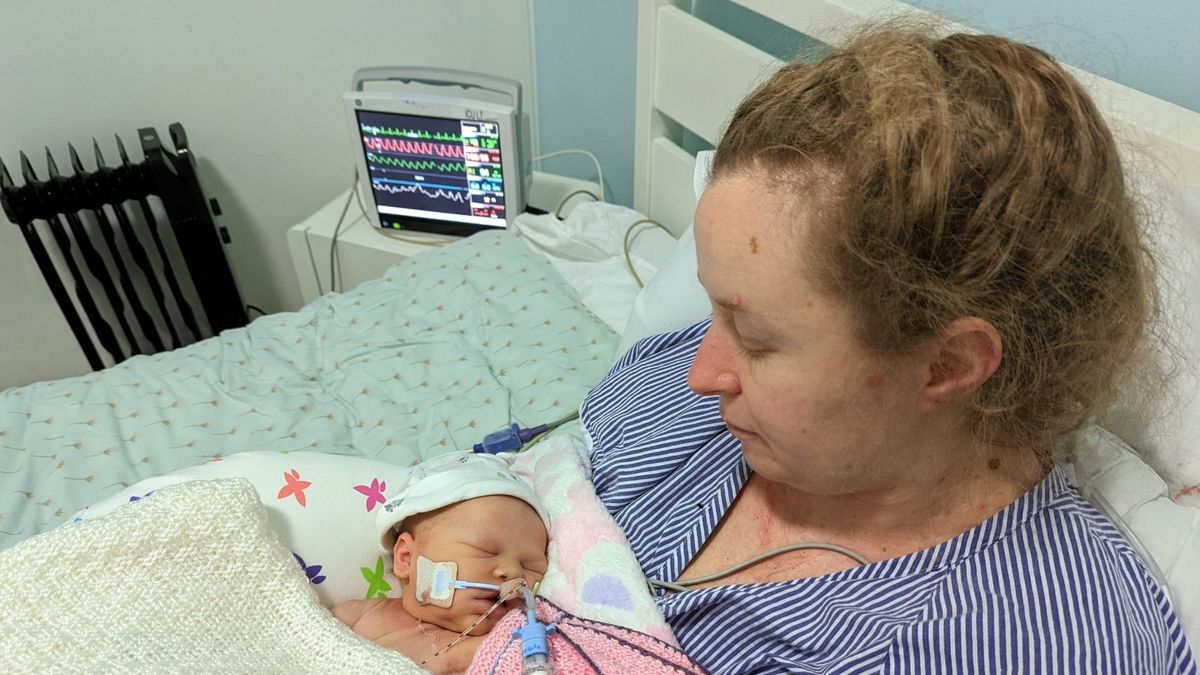
Imagine for a moment, the joy of expecting a new life, the anticipation of a future filled with first steps, first words, and endless love. Now, juxtapose this with the harrowing uncertainty that comes with complications during pregnancy and childbirth. The stark reality is that, in the delicate balance of neonatal care, the setting of a child’s birth can be a determinant of survival. A recent inquiry has thrown a spotlight on this critical issue, emphasizing the undeniable benefits of hospital births for the safety and well-being of both mothers and infants.
The Importance of Hospital Births
The inquiry, ignited by the tragic death of a newborn named Leo Lamont who died two hours post-birth in a Lanarkshire flat, concluded with findings that are both alarming and illuminating. Born extremely pre-term at 27 weeks, Leo’s death was attributed to perinatal hypoxia, presumed placental abruption, and extreme prematurity. These findings are not just numbers; they are a heart-rending narrative of what might have been. Expert witness Professor Tracy Humphrey stated that Leo had an 80% chance of survival had he been born in a hospital with immediate access to neonatal services.
Such insights are not isolated. Across Scotland, a review highlighted a need for improvements after identifying spikes in newborn deaths over a six-month period in 2021/22. This led to an estimated 30 additional deaths within 28 days of birth compared to the previous four years. These statistics, stark as they are, underline the essential role hospitals play in providing a controlled environment where potential complications can be promptly addressed, significantly increasing the survival chances of newborns.
Challenges and Recommendations
However, the journey to ensuring every birth happens in the safety net of a hospital is fraught with challenges. Leo’s mother, Nadine Rooney, experienced severe pain and was advised over the phone to take paracetamol without an immediate invitation for hospital assessment. This oversight, particularly for a high-risk pregnancy case due to a history of pre-term labor and smoking, underscores potential gaps in the early diagnosis and response to pre-term labor.
The inquiry not only highlighted these gaps but also recommended expectant mothers consider hospital births as a preferred option for delivery, especially in cases where there might be known complications or risks. This call to action is not just for expectant mothers but also for the wider healthcare community, emphasizing the need for a broader understanding and acceptance of the benefits of hospital births.
Looking Forward
As the healthcare community digests these findings, the inquiry’s implications extend far beyond the heartache of the families involved. They touch on the very foundation of neonatal care and maternal health policies. With the neonatal mortality rate in Scotland having seen fluctuations, peaking at 3.4 deaths per 1000 live births in the three months to September 2023, the lessons drawn from these inquiries are timely.
The emphasis on hospital births, backed by specialized medical staff, advanced medical equipment, and immediate access to emergency care, is a clarion call to action. It’s an acknowledgment that while childbirth is a natural process, the complications that can arise are best managed in the controlled environment of a hospital. For expectant mothers and the healthcare community, these findings are a stark reminder of the fragility of life at its very beginning and the collective responsibility to safeguard it.
link